
%20(1).webp)
Lire l'article


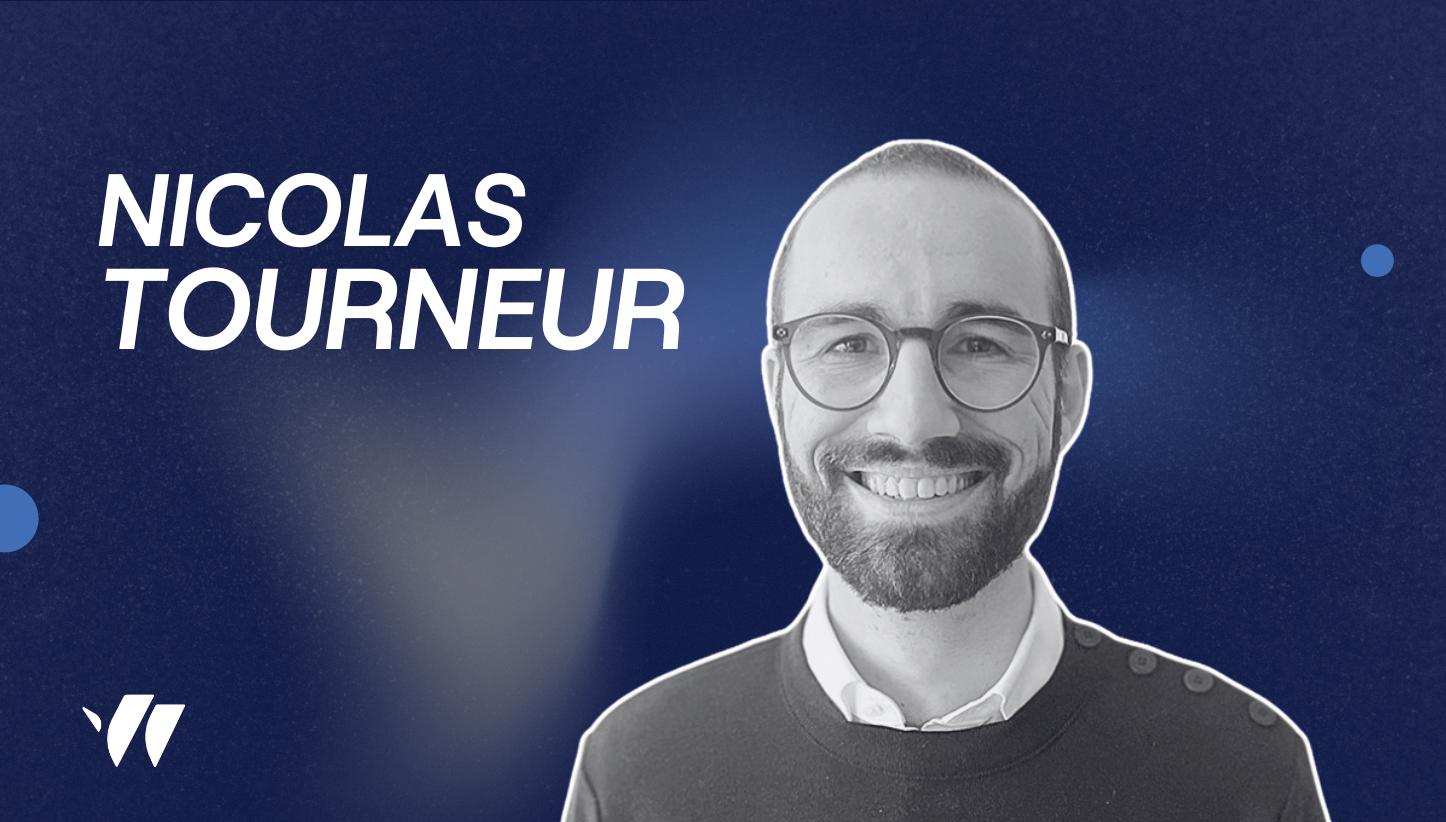
I came into HR communication somewhat by chance, joining the European team at Universum in 2000 (Paris, London, Stockholm). There I discovered a fascinating world: how a culture, a message, or an experience can truly influence attractiveness and engagement.
Subsequently, I evolved through agencies, media, and HR solution providers (Publicis Mediasystem, Hobsons, Studyrama/Vocatis, Isograd...), which gave me a comprehensive view of the challenges: internal culture, leadership, employee experience, employer branding, e-HR, sourcing, surveys...
A 360° career path, but with a common thread: the desire to understand what truly helps companies and teams work better together.
In 2016, I created Inside Linkers to bring all these areas of expertise together — branding, culture, communication, digital tools — and support companies in a simple, consistent, and human way. My ambition was never to create yet another agency, but to be a truly integrated partner, in touch with the ground and the teams.
What inspired me to dedicate myself to HR communication is this conviction: when messages are clear and sincere, when the organization is aligned, employees' daily lives truly change.
For me, effective HR communication rests on three simple principles:
Employer branding is not image marketing.
It's an honest, continuous approach that helps strengthen culture, attractiveness, and retention: without overacting, without promising the impossible.
For me, consistency is a matter of alignment between what you say and what you experience. Concretely, this involves:
When all of this converges, the company becomes readable, credible, and attractive — simply because it keeps its promise.
What strikes me most today is that AI is not just a topic about tools: it's primarily about culture, vision, and meaning. Many companies are testing operational uses (automation, writing, management...), but the essential work is upstream: defining the purpose of AI in the company.
Before talking about the "augmented employee," I think it's important to ask a few simple and structuring questions:
• Why integrate AI?
• What collective problem do we want to solve?
• What direction are we setting for teams?
• What place do we want to leave for humans?
• And where do we draw the line?
Once this vision is established, AI becomes a collective project, not just a stack of tools. And that's where transformation truly takes shape:
• employees find meaning, understand the stakes, and can get involved constructively;
• HR shifts from a management role to a decisive and strategic one;
• and managers become a central link in adoption and dissemination.
What I observe daily is that AI pushes organizations to be more consistent, clearer, and more aligned. And, paradoxically, to put even more humanity into their practices.
What drives me most is when a company tells me: "You're truly with us: on the team, not on the sidelines. And that changes everything." That's exactly my approach: being hands-on, understanding the dynamics, moving forward with the teams, without posturing, without looking down. I love connecting the dots — culture, employer branding, communication, leadership, tools — to create something consistent and useful, in service of the field.
The impact I'd like to leave is simple: helping companies become clearer, more human, and more aligned. Not by imposing a model, but by building with them, step by step, a system that reflects who they are and that they can sustain over time.


pour ne louper aucune de nos actus
%20(1).webp)