

.webp)
Lire l'article


In this article, you'll discover how to develop your emotional awareness, strengthen your managerial skills, and integrate emotional intelligence into your training programs to create a climate of trust, avoid tensions, and foster lasting team engagement.
Emotional intelligence concretely transforms the way you manage and the results you achieve with your teams.
Smoother communication and better conflict management
When you develop your emotional intelligence, you communicate differently. You better pick up on your employees' non-verbal signals, understand their emotions, and adapt your managerial approach accordingly. This emotional awareness promotes smoother communication, strengthens trust, and improves the quality of exchanges within the company. Conflicts? Easier to manage. You identify tensions before they escalate, address sensitive topics with empathy, and create a more human management environment, conducive to cohesion, motivation, and team performance.
More motivated teams and measurable return on investment
Improved decision-making
Your emotions influence your choices, whether you like it or not. Emotional intelligence helps you become aware of this. You better distinguish what comes from useful intuition and what stems from emotional biases. Your decisions become more balanced.
A direct impact on performance
Google demonstrated this with its Project Aristotle: the highest-performing teams share three characteristics linked to emotional intelligence:
In sales, salespeople trained in emotional intelligence show 12% better results. They better understand their clients' implicit needs and establish a stronger relationship of trust.
Less stress, more well-being
Your teams experience 4 times less burnout when you manage with emotional intelligence. Absenteeism decreases. The work atmosphere improves. You create an environment where difficult emotions can be expressed without judgment.
The question remains: how to move from theory to practice? Specifically, what actions can managers take to strengthen their emotional intelligence on a daily basis?
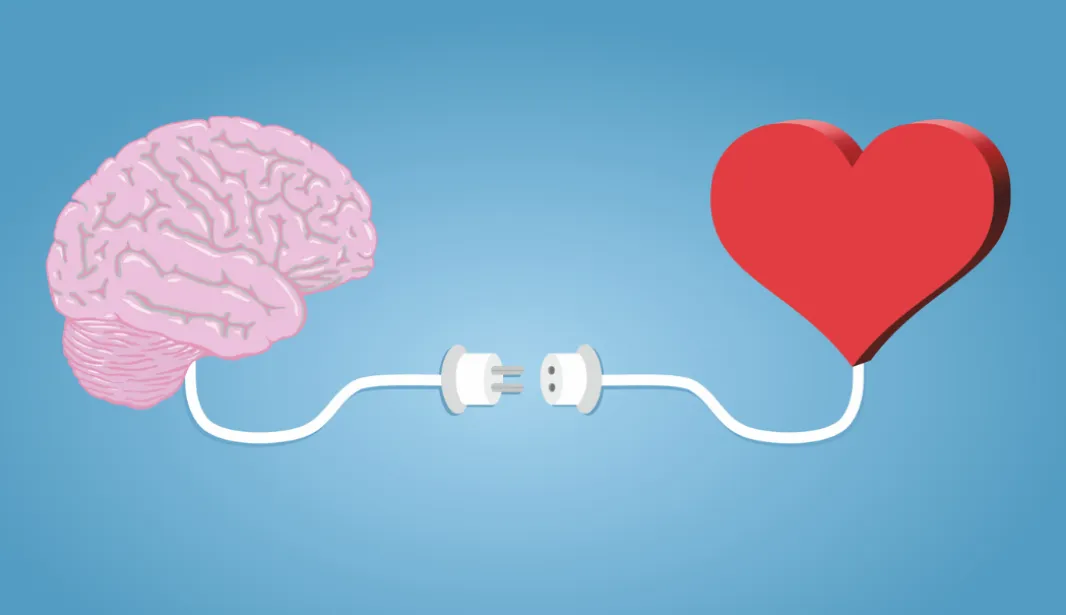
Developing emotional intelligence doesn't happen overnight. It's deep work that requires practice and consistency.
Start by knowing yourself
The first step is introspection. Take time to identify your emotions as they arise. Stress, impatience, frustration... Give them a precise name. Then dig deeper: what triggers them? Fatigue? Work overload? A difficult personality on the team?
Self-assessment tools like the EQ-i 2.0 can help you take stock of your strengths and areas for improvement. Emotional journaling is also very effective: note your feelings and their causes each day. You'll quickly see patterns emerge.
Learn to regulate your reactions
Once you can recognize your emotions, you need to learn to manage them. It's not about suppressing them, but rather stepping back before reacting. Breathe deeply. Ask yourself: "What's the best way to respond in this situation?"
Meditation and mindfulness techniques will help you develop this capacity for self-observation. Even 10 minutes a day can make a difference.
Strengthen your interpersonal skills
Emotional intelligence is also about reading others' emotions. Work on your active listening: rephrase what the other person says, ask open-ended questions, validate their feelings. Also observe non-verbal cues: posture, tone of voice, facial expressions.
During one-on-one meetings, encourage your employees to express their emotions, both positive and negative. Create a climate of trust where everyone can say what they feel without fear of judgment.
Get trained and practice regularly
Specialized training programs exist to develop these skills. They combine theory with practical role-playing exercises. Personalized coaching can also support you in this process, especially if you have particular challenges to overcome.
But be careful: a one-off training session isn't enough. You need to practice these new skills daily. Integrate them into your managerial rituals: start your meetings with an emotional check-in, take time to celebrate successes, organize supportive debriefs after difficult projects.
Use concrete tools
The 360° feedback will give you an external view of your behaviors. Your colleagues, supervisors, and teams can provide valuable feedback on how you handle emotions.
For conflict management, adopt a structured method: first identify the underlying emotions, manage your own reactions, facilitate everyone's expression, then seek acceptable solutions together.
Developing emotional intelligence takes time and perseverance. But the benefits are lasting: better communication, more cohesive teams, a calmer work environment. And above all, more authentic and effective leadership.
Now that you have the practical keys to developing your emotional intelligence, it's time to delve into the theoretical foundations. Understanding the mechanisms that govern our emotions and those of others will give you a solid foundation to apply these techniques with greater finesse. Because mastering practice is good. But grasping the theory behind it is what makes the difference between a manager who follows recipes and a leader who truly understands what they're doing.
Emotional intelligence in management is a manager's ability to recognize, understand, and manage their own emotions while also knowing how to decode and positively influence those of their team. It rests on four fundamental pillars: self-awareness (knowing how to identify your own feelings and their impacts), self-regulation (managing your emotional reactions), empathy (understanding what others are experiencing), and social skills (using this understanding to better communicate and motivate).
Concretely, an emotionally intelligent leader knows, for example, how to stay calm during a team conflict to better resolve it, adapts their communication style to each employee's personality, or detects signs of stress in their teams before they become problematic. This approach transforms the managerial relationship: instead of simply giving directives, the manager becomes a true facilitator who creates a calmer and more productive work environment.
Research by Daniel Goleman, a pioneer of the concept, shows that emotional intelligence accounts for 90% of leaders' success. It enables a shift from purely technical management to authentic leadership that inspires and unites teams around common goals.
Emotional intelligence is much more than just the ability to manage emotions. It represents a set of skills that allow you to navigate effectively in the world of human relationships.
This approach differs radically from traditional management based solely on technical skills. In 2020, the World Economic Forum included emotional intelligence among the 10 key competencies of the Future of Work.
For a manager, mastering these five domains enables the creation of a calmer and more productive work environment. It's the difference between leading by authority and inspiring by influence.
Emotional intelligence breaks down into four concrete competencies that any manager can develop.
In team meetings, these competencies transform your managerial approach. When you feel tension rising around the table, your ability to identify your own emotions helps you stay centered. Instead of reacting impulsively to a disagreement, you take time to analyze the situation. You notice your employee avoiding eye contact? That's the moment to adapt your communication to create a climate of trust.
When facing conflicts between team members, your emotional intelligence becomes a major asset. You first manage your own reactions to avoid taking sides too quickly. Then you observe each person's non-verbal signals: who is shutting down, who is getting agitated, who is seeking your approval. This information allows you to ask the right questions and defuse tensions before they explode.
During one-on-one meetings, these competencies reveal their full value. An employee tells you they want to leave? Your first reaction might be panic or anger. But by regulating your emotions, you create the space needed to understand their real motivations. You adapt your listening, rephrase their concerns, and potentially turn a resignation into a development opportunity.
In change management, your emotional intelligence guides your decisions. You anticipate your team's resistance by observing their reactions during the announcement. Some go silent, others ask a thousand questions. These signals tell you how to personalize your support. You know when to reassure, when to provide more information, when to allow time to digest the news.
These four pillars reinforce each other. The better you know yourself, the better you manage your reactions. The more you understand others, the smoother and more productive your interactions become.
Authenticity radically transforms the way a manager leads their team within a company. It creates a bond of trust and cohesion that goes far beyond simple hierarchical respect. This leadership pillar rests on emotional awareness, stress management, and the consideration of the human dimension in every professional relationship.
An authentic leader starts by recognizing their own emotions. They know when they are stressed, frustrated, or enthusiastic. This self-knowledge and self-control allow them to adopt a sincere posture with their employees and manage situations with empathy. No playing a role or wearing a mask: emotion management becomes an essential tool of emotional management.
This emotional transparency doesn't mean revealing everything. It's rather about expressing and sharing, in a way adapted to the context and organizational culture, your feelings when it makes sense. For example, acknowledging that a difficult decision can generate concern or tension for both the manager and the employees. This controlled vulnerability sets an example, strengthens the trust relationship, and promotes positive communication within the organization.
A good leader creates a secure environment where employees can express their emotions without fear. They establish what is called psychological safety, a key to lasting performance. Concretely, this involves regular moments of exchange, feedback, and coaching where everyone can share their feelings. This human approach improves quality of life at work, reduces burnout, and strengthens engagement.
Authenticity also manifests in recognizing others' emotions. When an employee expresses frustration, an emotionally intelligent manager doesn't minimize it. They acknowledge and validate: "I understand that this reorganization is causing concern." This empathy and emotional regulation promote better communication, better conflict management, and a quality relationship between individuals.
Authentic leadership involves developing collective emotional intelligence within the team, by integrating the pillars of emotional intelligence defined by Peter Salovey and John Mayer, two American psychologists who originated the concept. The perception, understanding, and regulation of emotions become essential managerial competencies. The more the collective develops its emotional potential, the more it becomes autonomous, creative, and high-performing. The manager then becomes a facilitator, a leader capable of strengthening trust and preventing tensions.
This approach is now widely integrated into corporate training programs, executive education, and experiential workshops focused on personal development and continuing education. It relies on coaching tools, emotional intelligence training programs, and methods to strengthen managerial competencies and integrate emotional intelligence into effective management.
The newer generations expect managers to be capable of listening, empathy, and clear communication. They seek leaders who give meaning, foster cooperation, and stimulate employee motivation. In this organizational system, emotional intelligence becomes a strategic lever for business success and a key factor in team performance.
However, be cautious: authenticity does not mean complacency. An emotionally intelligent leader knows how to combine empathy with high standards. They can understand their team's emotions while maintaining focus on objectives and the organization's vision. It's this balance between stress management, self-confidence, empathy, and managerial clarity that creates the strength of authentic leadership and emotional intelligence within companies.


pour ne louper aucune de nos actus

